

May 28, 2026
–
0 minutes to read
Cluttons
Summary
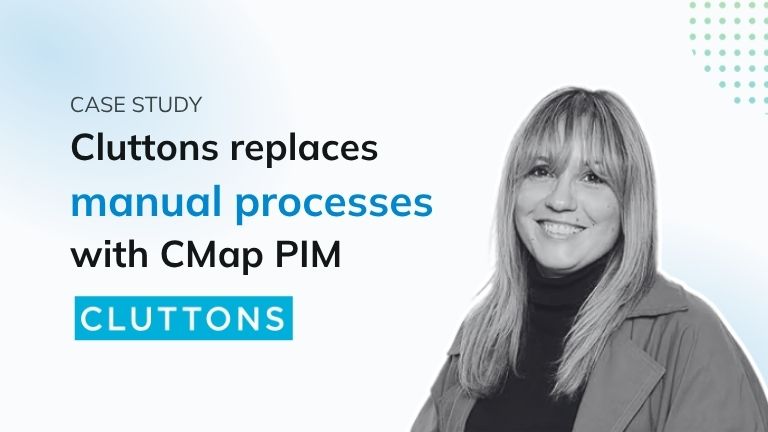
Cluttons transformed its growing and complex project environment by moving from traditional shared drives to CMap PIM. The shift delivered a single, reliable source of truth, improved transparency and accountability, and reduced manual risk. With ISO 19650 alignment and full document visibility, the team now operates more efficiently, with stronger quality control and confidence across every project.
Situation
The Energy Consultancy team a Cluttons previously relied on a traditional file server–based system, using shared drives and structured folders to manage project information before adopting CMap PIM. This approach served the team well for many years, supported by consistent folder structures and agreed ways of working.
However, as the team grew and project volumes increased, maintaining this consistency became more challenging. The reliance on individuals to manage and adhere to processes made it harder to maintain visibility across projects and reduced transparency around accountability.
Quality control and sign-off processes also became more difficult to manage consistently. Tracking what had been issued, who had approved it, and what information had been shared externally required significant manual oversight.
As the organisation scaled and projects became more complex, this approach became less sustainable. As Miriam Ortega, Head of Design, Technology and Digital Strategy, explained:
'We were relying on a traditional file server–based system with shared network drives, which made it difficult to maintain visibility, organisation, and accountability.'
The need to align with ISO 19650 standards further highlighted these challenges. Manual processes increased the potential for human error and placed growing pressure on individuals managing information.
'The process involved significant manual input, leading to a higher risk of human error.'
Solution
Cluttons’ decision to adopt CMap PIM was driven by both the need to align with ISO 19650 standards and a broader ambition to strengthen information management and enhance client service.
A key requirement was a system that could be used effectively by individuals with varying levels of technical confidence. The team evaluated several platforms, prioritising ease of use, low administrative overhead, and compatibility with existing Microsoft tools such as SharePoint.
As Miriam noted:
'We needed something that was ISO 19650-aligned and user-friendly, as we have a wide range of IT capabilities within the team.'
Implementation followed a phased migration approach rather than a single transition. This allowed live projects to continue without disruption while giving teams time to build familiarity and confidence in the system.
Different disciplines, including the BIM & CAD team, engineers, surveyors, and project manager, were considered to ensure the platform could support a wide range of user needs.
'We did a phased migration rather than moving everything at once, which gave people time to learn how to use the system.'
Internal training played a key role in successful adoption. While CMap’s online resources were available, hands-on, in-context training proved most effective. Over time, responsibility for the system evolved beyond a single individual, with multiple team members now managing setup, libraries, and day-to-day administration.
Results
Today, CMap PIM is the central system used by the Energy Consultancy team at Cluttons across all active projects. Every incoming and outgoing document is recorded, providing a clear and auditable record that supports both compliance and commercial assurance.
This has already demonstrated tangible value in live project scenarios, where accurate records have supported the timely and effective resolution of issues.
Annual ISO 19650 audits now run more smoothly, supported by BIM-enabled processes and a structured Common Data Environment. The team benefits from full visibility of document history, approvals, and early warning notices.
The system has reduced reliance on email trails and individual knowledge, improving efficiency while reducing operational pressure.
As the team continues to grow, responsibility for CMap PIM is shared across multiple roles, ensuring continuity and long-term resilience.
What began as a response to compliance requirements, and a proactive step towards strengthening internal processes and enhancing client sservice, has become central to how the team operates.
As Miriam reflected:
'We’re now fully embedded in CMap PIM. It holds everything. Not only our projects, but all associated source material, providing one definitive source of truth across the team.'
keep reading
Similar Articles
Resource Hub
Book a demo
To see exactly how we can help you drive your company in the right direction, book a demo with an expert.
Book a demo


