

October 22, 2026
–
0 minutes to read
RDL Architects
RDL Architects is a multidisciplinary architecture firm based in Cleveland, Ohio, running over 200 live projects at once. Their work spans across senior living and multi-family residential, retail/commercial, placemaking, and interior design across the US.
Currently, that includes turning a historic rectory – connected to one of Cleveland’s historic cathedrals – into offices for Catholic Charities and the Diocese of Cleveland.
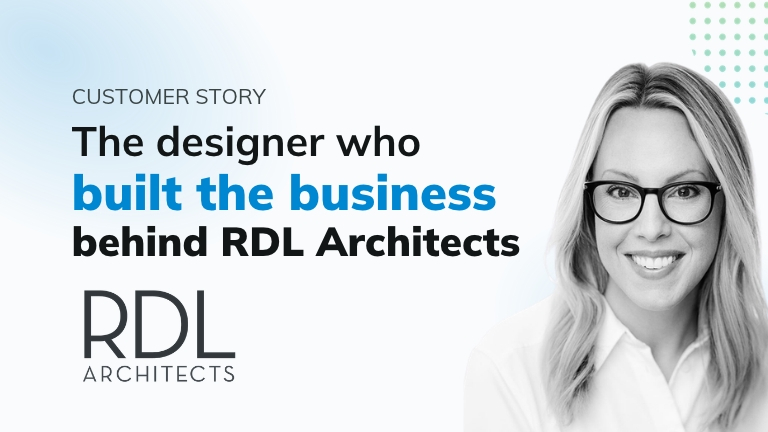
Haley Christopher, VP, Operations at RDL, manages everything behind the scenes: operations, finance, business development, marketing, and technology. Since 2019 she’s refined the business side to allow firm leadership to focus on architecture and design.
"My intent was to create the foundation of services and support so our are design staff can do what they love, and ultimately deliver better projects for our clients and the community.”
A designer who wrote her own job
Haley began as RDL’s Interior Design Director. The firm had been doing well for over two decades, but she noticed they were growing faster than the structure supporting them. She decided to do something about it.
In 2019, she wrote a job description for a role that didn’t exist yet. She set out the areas she felt the firm needed to manage better and how she would fix them, and then proposed it to RDL’s owner.
The new role met 2020 almost immediately, and with the team working from home during the pandemic, it put a spotlight on something RDL already suspected.
"We were lacking the data to make better informed decisions on how we manage projects, how we hire staff, and how we plan for the future.”
Fees came together in an Excel file. Hiring rested on what clients said might happen. That made planning difficult when much of RDL’s affordable housing work starts with competitive 9% low-income housing tax credit applications.
Haley started looking for a solution in late 2020, and in spring 2021, RDL launched CMap. They kept what already worked – like their own project-numbering database and QuickBooks to handle accounting – and chose an implementation pace that suited them: ensuring the team was using what’s already in place before introducing anything new.
Haley credits the success of the implementation to the people as much as the platform: with continuous support from CMap’s account executives and consultants, she says “we’ve been able to create everything we’ve ever wanted.”
Life with CMap
Staffing is where Haley has felt the most difference week to week. Before deciding whether RDL needs to hire, she reads the pipeline against the team’s workload at 100%, 90% and 75%. When the numbers say support staff will be stretched, the firm know it’s time to act.
“It’s running those ads in advance, getting the interviews set up, and really being able to take your time to make sure you find the right fit rather than just hire to get the work done.”
Haley believes that’s as much about culture as capacity – while some firms hire to just fill the gap, she says, “That’s just not who we are.”
With CMap in place, the same view now reaches the whole firm. RDL’s leadership can see the pipeline “without keeping it between their ears”, and the owner can open a dashboard and see what’s committed for the year “without having to do anything”.
The project teams took a little longer to come around – but now they’re the ones using it in their day to day.
“I can ping this project manager like, hey, I noticed so and so has some capacity next week. Just being able to think ahead.”
Haley calls fee transparency the biggest benefit. Running an architecture firm costs more and more every year, and fees haven’t kept pace as RDL’s clients are juggling construction costs, interest rates, and tighter budgets – and in an affordable housing market, the margin for error is close to zero.
"Every dollar counts when you’re delivering really important housing to really important communities.”
Pricing used to be a case of guessing where to trim a thousand dollars here and there. Now, RDL builds fees from what the work actually costs, using templates by project type drawn from years of its own data. This means that proposals go out faster, too.
"We know the cost of doing our work and we know the cost of doing our business.”
The next 30 years
This spring, RDL hired a business development manager, and they’ve started using CMap’s CRM to track leads. Over the next six to ten months, Haley wants that history to shape which opportunities RDL chases – especially the ones that ask for free design work: “What are our odds based on the history that we have?”
It’s all in service of something more enduring.
"We want to carry this firm to the future for another 30 years... the trickle down means success for everyone, stability for our staff, and greater outcomes for everyone.”
Worth borrowing from RDL
- Give every RFP a project number, so you can see what each pursuit costs
- Read hiring off the pipeline at more than one workload scenario
- Move at your own pace – RDL gets the most from what it has before adding more
keep reading
Similar Articles
Resource Hub
Book a demo
To see exactly how we can help you drive your company in the right direction, book a demo with an expert.
Book a demo


